What Is Answer Engine Optimization (AEO)? A Plain-English Guide for Executives
A plain-English guide to Answer Engine Optimization, why ranking well no longer guarantees visibility, and where marketing leaders should start.
That gap — ranking well but going unmentioned — is the entire reason Answer Engine Optimization exists. If someone has told you your brand needs to “do AEO” without explaining what that actually means, this is the plain-English version I wish someone had handed me two years ago. No jargon marathon. Just what it is, why it’s suddenly urgent, and where a busy marketing leader should start.
The short answer: what AEO actually is
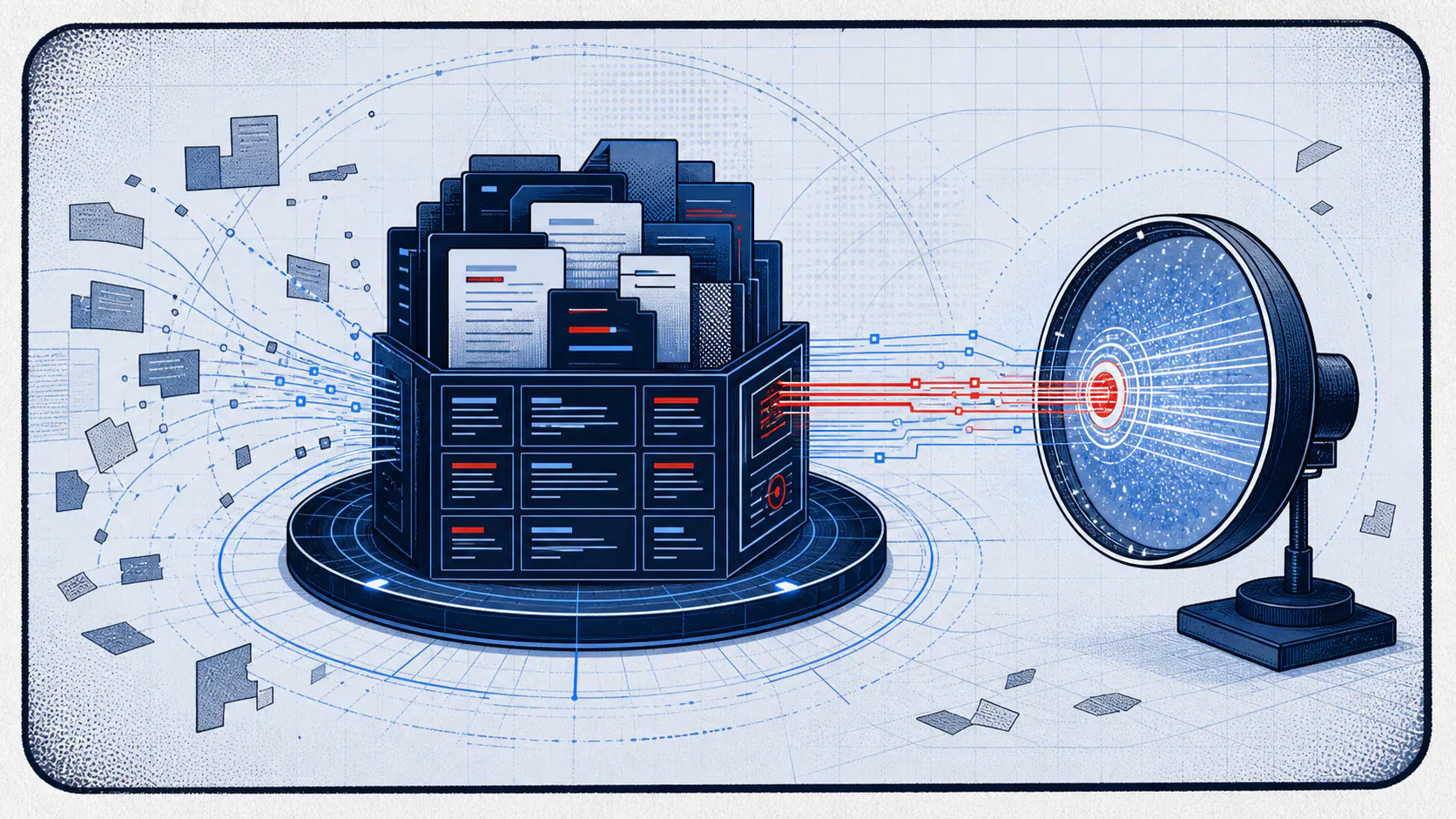
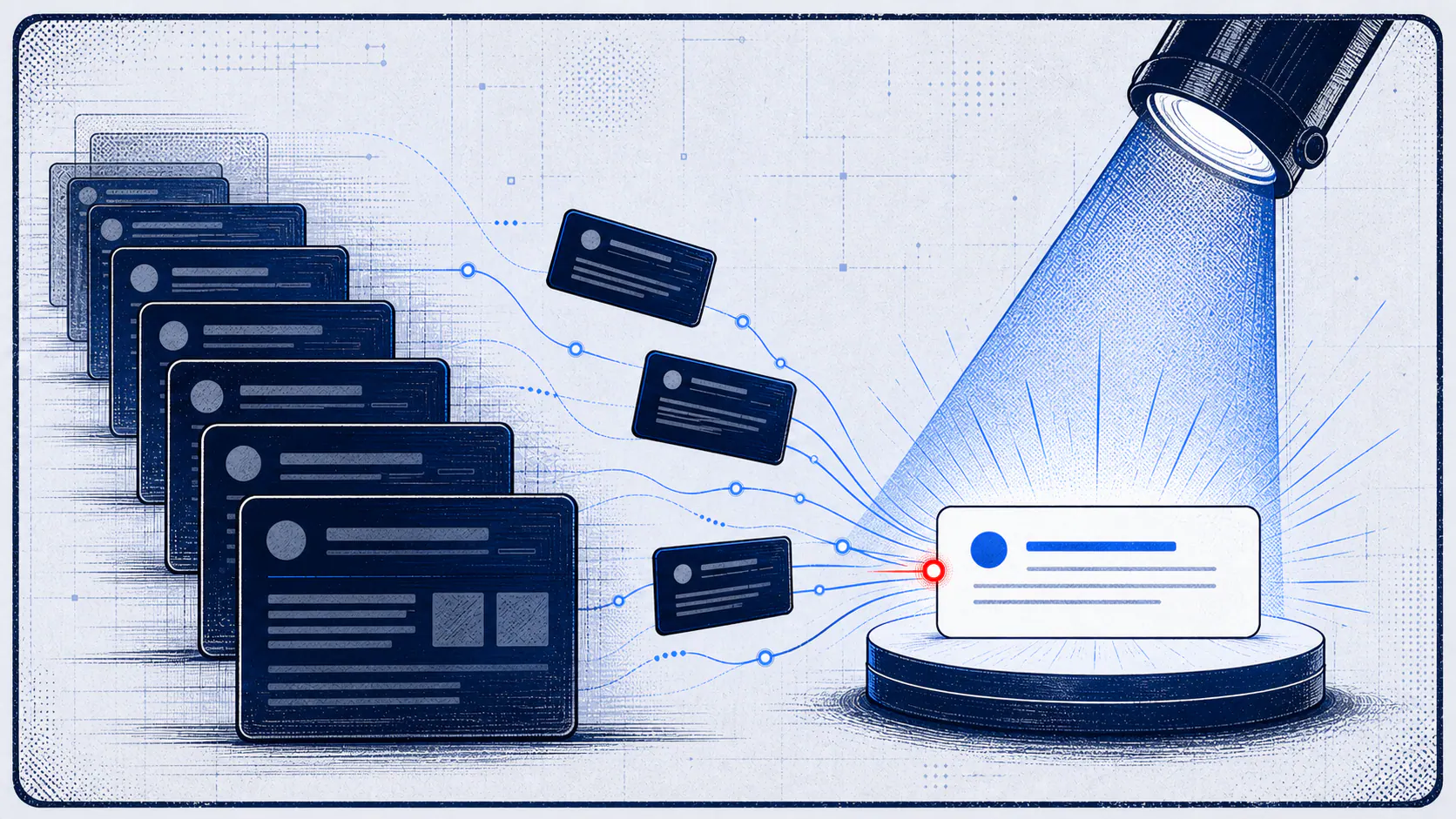
Answer Engine Optimization is the work of making your content easy for an AI answer engine to find, trust, and lift directly into its response. If traditional SEO is how you earn a ranking, AEO is how you earn the answer itself — the sentence or two an assistant reads back to your buyer when they ask a question.
An answer engine is any system that responds to a query with a synthesized answer instead of a list of links: ChatGPT, Perplexity, Gemini, and Google’s own AI Overviews all qualify. They don’t hand the user ten options to sort through. They give one answer — and your only job, commercially, is to be inside it.
From ten blue links to a single answer
For twenty years, search worked one way: you typed a query, you got a list of ten blue links, and the game was to be the most clickable result. Every SEO tactic we used traced back to that one goal — win the click.
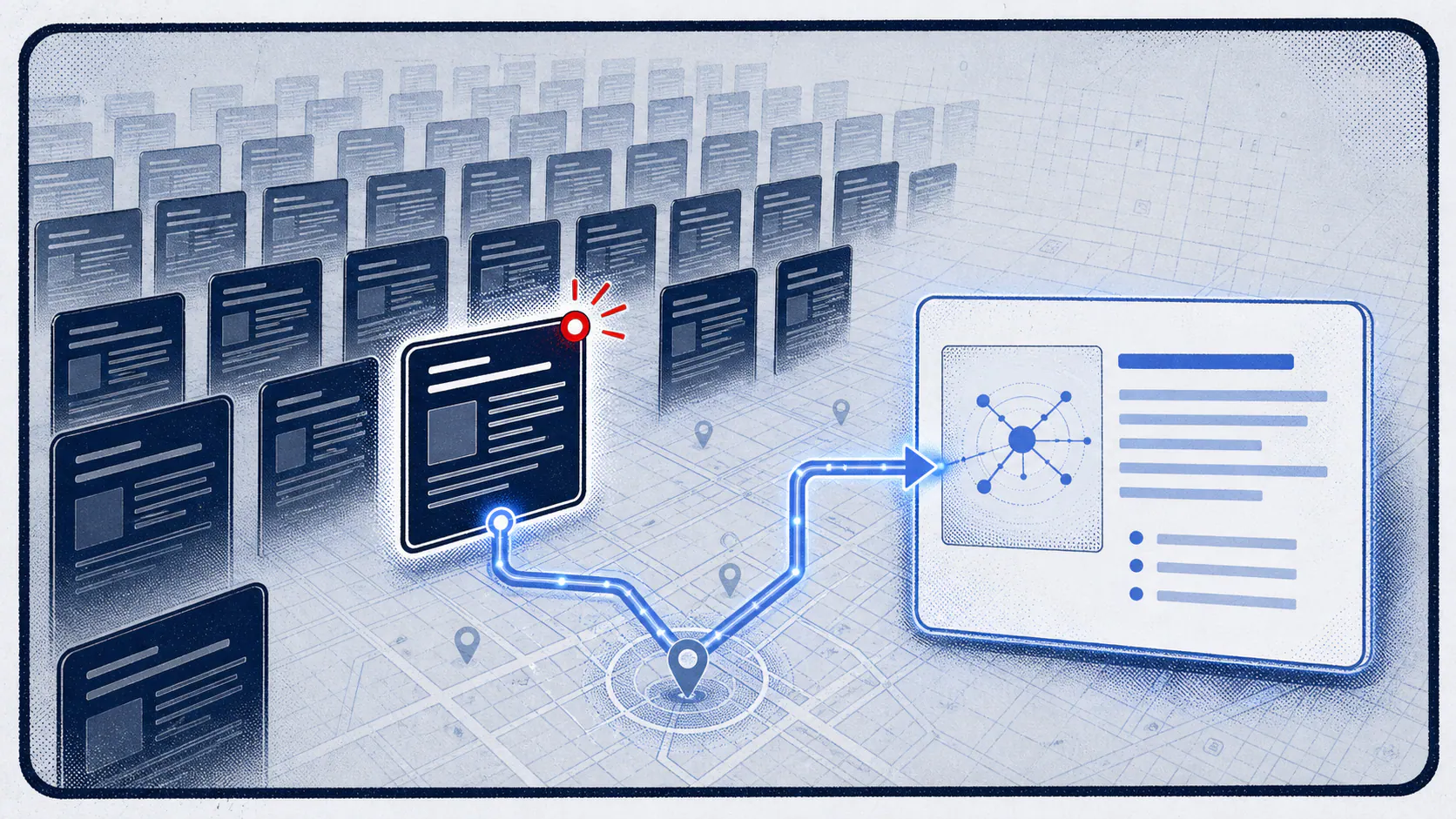
That model is quietly eroding. A growing share of searches now end without anyone clicking through to a website at all — zero-click searches recently passed the halfway mark. The buyer reads the synthesized answer and moves on. Featured snippets were the early tremor of this shift; AI Overviews and chat-based answers are the full earthquake.
Here’s what that means for you as a leader: if your brand isn’t in the answer, you’re not in the consideration set. Not lower on the list — off it entirely. Ranking #1 for a term whose answer gets absorbed into an AI summary can still leave you invisible.
SEO earns you the ranking. AEO earns you the answer. On today’s results page, only one of those still guarantees you get seen.
Why answer engines reward a different kind of content
When I audit a site that ranks well but never gets quoted, the problem is almost always the same: the content was written to be read top-to-bottom by a patient human, not lifted in a clean chunk by a machine in a hurry. Answer engines reward four things, and none of them are “more words.”
First, they reward answer-first writing — lead with the answer, then explain, instead of burying the payoff under 400 words of throat-clearing. Second, they reward self-contained blocks: a passage that makes sense on its own, because these systems pull sentences and passages, not whole pages. Third, they reward specific, verifiable claims — a number, a date, or a named source beats a vague generality every time. Fourth, they reward clean structure and schema markup that tells a machine exactly what it’s looking at.
None of this is exotic. It’s disciplined writing plus a technical layer — which is exactly why it’s learnable, and why the brands that move first tend to stay ahead.

What answer-ready structure actually looks like
Concretely, an answer-ready section starts with the question your buyer is really asking, phrased as a heading, followed immediately by a direct, self-contained answer of roughly 40–60 words. Supporting detail comes after, for the reader who wants to go deeper. That single pattern does most of the heavy lifting.
The machine-readable layer is the second half. Structured data — like the FAQ schema below — hands the engine a labeled, unambiguous version of your content so it doesn’t have to guess:
{
  "@context": "https://schema.org",
  "@type": "FAQPage",
  "mainEntity": [{
    "@type": "Question",
    "name": "What is Answer Engine Optimization?",
    "acceptedAnswer": {
      "@type": "Answer",
      "text": "Answer Engine Optimization (AEO) is the practice of structuring content so AI answer engines can quote it directly in a synthesized response, rather than simply ranking it in a list of links."
    }
  }]
}
A single FAQ schema block. It won’t win you a ranking on its own — it makes your best answer trivially easy for a machine to read and reuse.
Our AI Visibility Report shows exactly which pages are indexed and your site’s exact authority metrics.
How AEO fits with GEO and SEO
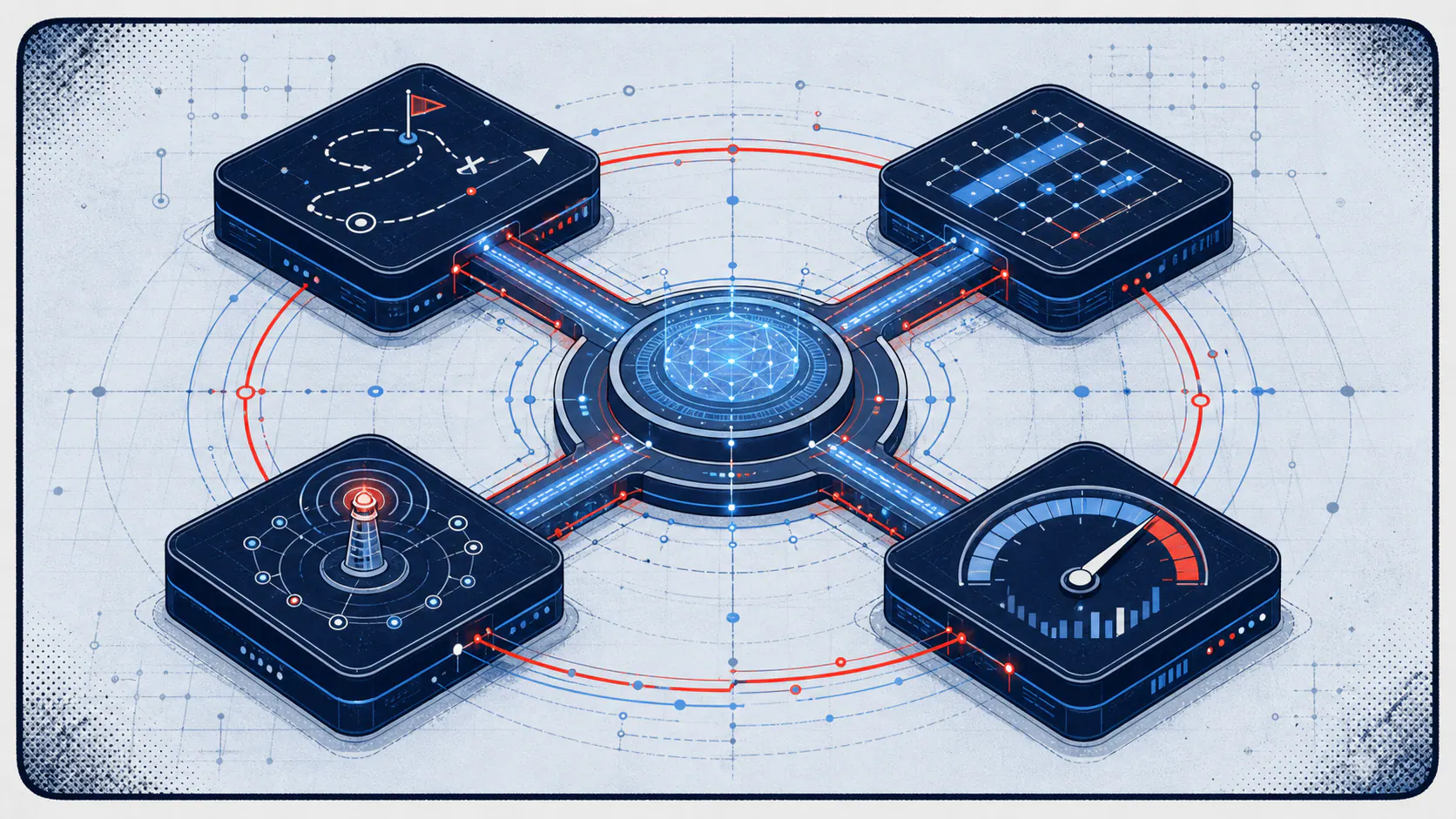
This trips up a lot of teams, so let me draw the lines cleanly. Technical SEO earns your rankings — it’s the crawlable, fast, well-structured foundation everything else sits on. AEO earns you the answer on a given surface, like an AI Overview or a chat response. And Generative Engine Optimization (GEO) earns you citations across the wider world of generative engines and third-party LLMs.
They share fundamentals, but the surfaces behave differently, which is why we treat them as distinct disciplines rather than one blurry thing. Our S.T.A.R.SM framework is how we keep all three pulling in the same direction instead of competing for attention. The short version: you don’t pick one. You sequence them.
Where a marketing leader should start
You don’t need to boil the ocean, and you definitely don’t need to rewrite your whole site this quarter. Start by finding out where you actually stand — our AI Readiness Audit shows which of your pages answer engines already trust and which they overlook. From there, prioritize your highest-intent pages for answer-first restructuring, which is the core of our Answer Engine Optimization work.
That’s the whole move: measure, prioritize, restructure the pages that matter most. Do that, and the next time a buyer asks an assistant about your category, you’ve got a real shot at being the answer instead of the footnote.
Frequently asked questions
Is AEO just a new name for SEO?
No. They share technical fundamentals, but the goal is different: SEO works to earn a ranking, while AEO works to make your content the answer an AI engine reads back to the user. You need both, and one doesn’t replace the other.
Do I have to choose between AEO and traditional SEO?
No — and you shouldn’t. AEO sits on top of a technically sound site. If your pages aren’t crawlable and well-structured, an answer engine can’t quote them in the first place, so the SEO foundation comes first.
How do I know if my content is already answer-ready?
Quick tells: your key pages lead with a direct answer, each section stands on its own, claims are specific and verifiable, and you’ve implemented relevant schema. If you’re unsure, an AI Readiness Audit measures it for you against how the engines actually parse a page.
Which answer engines should we optimize for?
The ones your buyers actually use — for most B2B audiences that’s ChatGPT, Perplexity, Google’s AI Overviews and AI Mode, and Gemini. The good news is the underlying discipline is largely the same across them, so answer-ready content travels well.
Brian Winum writes about GEO, AEO, technical SEO, entity authority, and AI-search visibility for MAXPlaces Marketing.